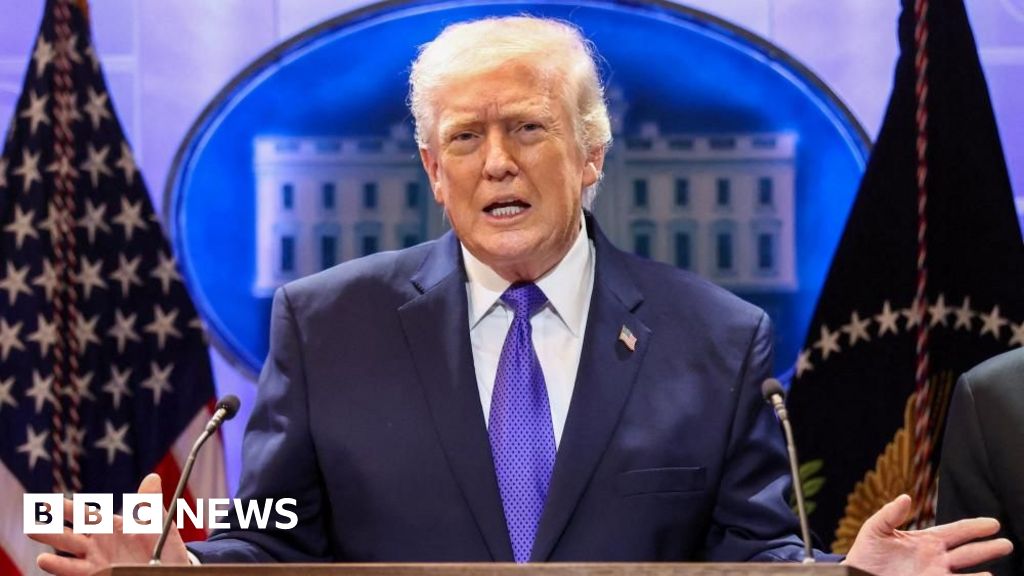

Kevin M. Warsh made one thing abundantly clear in his first weeks as chairman of the Federal Reserve. With inflation running for five years above the central bank’s 2 percent target, the Fed would put achieving price stability over just about everything else.
A steady labor market gives Mr. Warsh the space to do so, with data released on Thursday reinforcing the notion that wage pressures are not the primary driver of inflation right now.
The unemployment rate ticked down to 4.2 percent in June as more people left the labor force. Average hourly earnings stayed relatively muted, rising 0.3 percent for the month or 3.5 percent compared with the same time last year. The increases have been more than offset by the acceleration in inflation in recent months.
Since April, consumer prices have risen at the fastest pace in three years, reflecting a surge in energy costs caused by the war with Iran and a run-up in prices related to the boom in artificial intelligence. In recent weeks, however, oil prices, and those for gasoline, shipping and other categories, have fallen sharply as signs emerged of a deal to end the conflict.
If that agreement holds, it’s possible that the worst of the recent inflation shock might soon be over. Speaking on Wednesday, Mr. Warsh noted that inflation risks had moderated in recent weeks.
“Expectations of inflation over the first four weeks of this period, they’ve come down. Inflation risks have come down,” Mr. Warsh said at the European Central Bank’s annual gathering of international policymakers and economists in Sintra, Portugal.
Still, the Fed’s problems look poised to linger for longer.
Underlying inflation measures — ones that strip out volatile items like food and energy and track the rate that prices would rise based on supply and demand in the economy as a whole — are still too high for the Fed’s liking. There are reasons to be optimistic that after the recent rise in prices caused by the Iran war reverse course, underlying inflation will begin to ease.
The effect of President Trump’s tariffs on prices has finally begun to fade. Housing-related inflation has firmed in recent months but is expected to decelerate again over time. Wage growth has stayed muted despite the recent stabilization of the labor market. And higher productivity from the proliferation of artificial intelligence, if sustained, could eventually help tame prices.
But all of this could take time to materialize, leaving policymakers at the Fed in a difficult spot. Moreover, inflation across the services sector, such as transportation and personal care, has been stubbornly sticky. The question now confronting Mr. Warsh is whether interest rates will need to be raised in order to make good on his price stability pledge, something he said in mid-June at his first news conference as Fed chairman would be pursued “unambiguously and unanimously.”
Mr. Warsh declined to say on Wednesday whether the Fed would consider raising rates at its next meeting, set for the end of the month, reflecting his opposition to the central bank sending signals about the outlook. Instead, the only thing he was explicit about was the Fed’s commitment to getting inflation down.
“If there were people in households or the business sector or the financial markets who thought that this central bank was going to be comfortable with an inflation objective above 2 percent, well, I guess they’d be disappointed,” he said.
“We’re going to deliver price stability in the U.S.,” Mr. Warsh added, noting that “the tactics, the strategy, and the rest, that’s still to come.”
But the vacuum left by Mr. Warsh’s approach has already started to be filled by other Fed officials. Beth Hammack, the president of the Cleveland Fed who is one of 12 voting members on the policy-setting committee this year, suggested on Tuesday that rates at the current 3.5 percent to 3.75 percent range were not weighing heavily on the economy.
“If inflation continues to persist at these elevated levels and I don’t see any restraint from policy, we may need to raise rates to bring that policy restraint in and to bring inflation back down,” she said in an interview with CNBC.
Neel Kashkari, the president of the Minneapolis Fed who is another voting member this year, has penciled in one quarter-point increase by year-end, in line with market expectations.
Robert Sockin, the chief U.S. economist at PGIM, expects the Fed to raise rates in September, reflecting his view that inflation is unlikely to retreat to 2 percent without some policy tightening.
A further fall in the unemployment rate would probably raise concerns at the Fed, Mr. Sockin said, noting that “with slack falling, you have to be concerned that wage pressures are going to accelerate.”